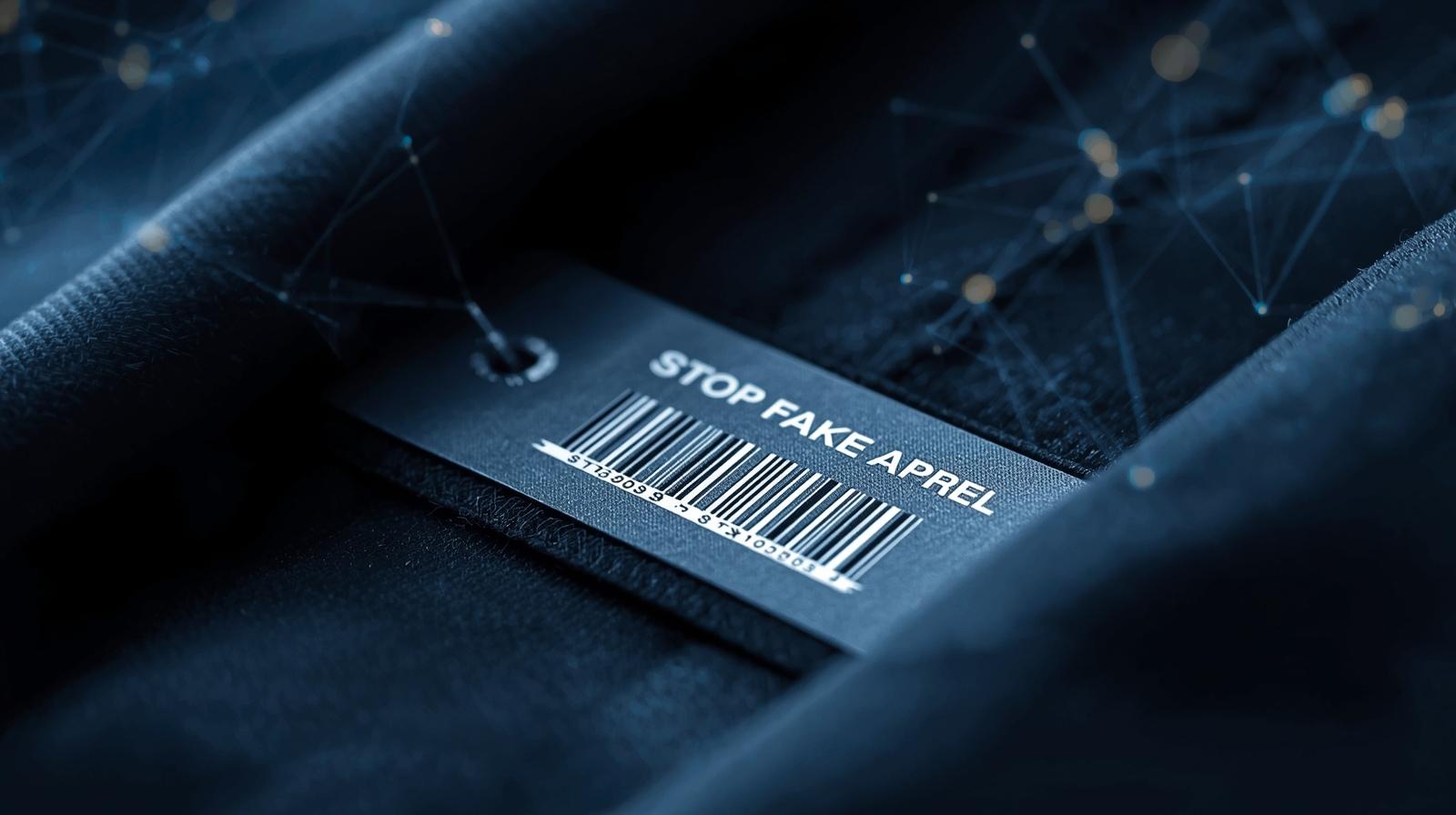
Counterfeit clothing has grown into one of the most damaging problems facing the global fashion industry. Recent industry analyses estimate that fake apparel contributes to hundreds of billions of dollars in yearly losses, affecting everyone from luxury brands to everyday clothing retailers. Nearly 30–40% of apparel sold in some developing markets may be counterfeit, and more than 60% of all seized counterfeit goods worldwide are clothing and footwear. With fake products flooding both online and offline markets, brands urgently need tools that verify authenticity with precision. This is where fashion tokenization and tokenized garments are quickly emerging as powerful solutions.
Fashion tokenization is the process of assigning a secure digital identity to a physical piece of clothing. Each item receives a unique digital token—often stored on a blockchain—that contains verified information such as:
Once a garment becomes tokenized, its identity becomes tamper-proof, traceable, and easy for customers to verify. This system dramatically reduces opportunities for counterfeit clothing to enter the market.
👉 Case Study Reference: To understand how real brands use blockchain to fight counterfeits, explore this success story: https://www.spydra.app/raymond-case-study
The counterfeit apparel market has surged due to a combination of factors:
The explosion of e-commerce makes it easier for fake sellers to blend in with legitimate brands. Many buyers cannot distinguish real listings from fraudulent ones.
Advanced printing, stitching, and textile techniques allow counterfeiters to copy designs with alarming accuracy.
Traditional labels and serial numbers are easy to duplicate. Without digital verification, consumers have no reliable way to confirm authenticity.
As more people seek luxury apparel, counterfeit clothing fills the gap where budgets fall short.
With tokenized garments, every step—material sourcing, production, transportation, and retail—becomes a permanent digital record. Because this record cannot be altered, consumers can trust the information they see.
A simple QR scan or NFC tap can reveal the digital identity of a product. In seconds, a customer knows whether the garment is authentic or a fake.
Super-fakes are high-quality replicas that look identical to the original. However, even the most convincing replica cannot copy a digital token stored on a secure ledger.
Brands using fashion tokenization report reduced return fraud, fewer fake claims, and better control over inventory leaks. As more fashion houses adopt this technology, industry-wide losses may shrink significantly.
Consumers increasingly expect transparency. When a brand uses tokenized garments, it signals honesty, innovation, and commitment to authenticity.
While many brands are still experimenting, several global fashion leaders have already taken major steps toward fashion tokenization. Luxury groups, athletic brands, and sustainable fashion companies are using digital IDs to track production, prevent counterfeiting, and increase consumer confidence. These early adopters have inspired a wave of mid-sized brands to explore similar systems, especially as technology becomes more affordable.
Fashion tokenization isn’t just about stopping counterfeit clothing—it creates value throughout the fashion ecosystem.
Manufacturers, suppliers, and distributors share a single digital source of truth. This reduces communication mistakes and improves accountability.
Brands can track materials all the way to their origin, ensuring ethical sourcing, fair labor practices, and reduced environmental impact.
Automated digital tracking can reduce administrative expenses, quality control costs, and manual verification processes.
Shoppers can access care instructions, repair guides, authenticity details, and even brand rewards through digital tokens.
Despite its potential, fashion tokenization does come with challenges:
However, as adoption increases, these challenges are expected to decline. More brands are collaborating to create universal standards that support digital identity in fashion.
Fashion tokenization stands at the intersection of technology, transparency, and trust. By transforming clothing into verifiable digital assets, tokenized garments protect brand reputation, educate consumers, and defend the entire industry from counterfeit clothing. As the market for authenticated fashion continues to grow, tokenization is becoming not just a competitive advantage but a necessity.
Whether you’re a brand seeking better product protection or a consumer wanting to avoid fakes, tokenization provides a clear path toward safer, smarter, and more transparent fashion.
Tokenized garments are clothing items paired with a digital token that stores verified information about authenticity, production, and ownership.
Tokenization uses secure digital records that counterfeiters cannot duplicate. Even if a fake garment looks real, it cannot replicate the unique digital identity of the authentic product.
No. Most systems use QR codes or NFC tags that work with standard smartphones.
Not at all. Mid-range and even budget fashion brands are exploring tokenization to improve transparency and customer trust.
Yes. Digital identities streamline return verification and ensure only authentic items qualify for warranty support.
Yes. It enables better tracking of materials, reduces waste, and helps brands prove ethical and eco-friendly practices.