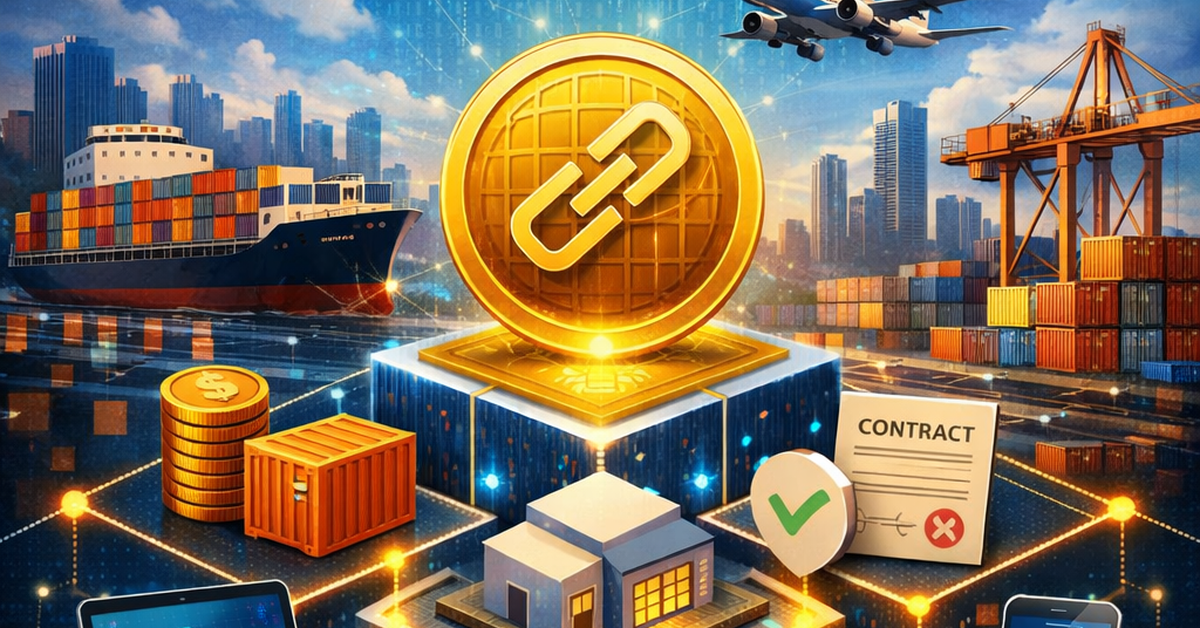
Global trade moves over $30 trillion worth of goods annually, yet the infrastructure supporting it remains heavily paper-based, fragmented, and operationally inefficient. Traditional trade finance mechanisms — such as letters of credit, bills of lading, and invoice financing — rely on manual verification, multiple intermediaries, and lengthy settlement cycles.
The result?
This is where Blockchain in Trade Finance is becoming transformational. By combining distributed ledger technology with asset tokenization, trade assets can now become programmable, transparent, and instantly transferable digital instruments.
Blockchain-powered tokenization is not just digitization — it represents a structural upgrade to global trade infrastructure.
Trade Finance Tokenization refers to the process of converting real-world trade assets into blockchain-based digital tokens. These assets may include:
Tokenization leverages smart contracts to automate execution, compliance, and settlement — enabling Digital Trade Finance that operates in near real-time.
Despite technological advancements, legacy systems still dominate cross-border trade.
Paper bills of lading and letters of credit require physical verification, leading to delays and human error.
Transactions can take days or weeks due to correspondent banking layers and reconciliation processes.
Limited transparency makes it difficult to verify authenticity and prevent double financing.
According to industry estimates, SMEs face a multi-trillion-dollar trade finance gap due to risk assessment inefficiencies.
KYC/AML processes across jurisdictions create friction and cost escalation.
Blockchain in Trade Finance directly addresses these structural inefficiencies.
Distributed ledgers provide a single source of truth accessible to authorized participants. This reduces fraud and improves auditability.
Smart contracts automatically trigger payment release once predefined conditions are met (e.g., shipment confirmation).
Blockchain rails enable faster cross-border settlement compared to traditional correspondent banking systems.
Tokenized trade assets allow multiple investors to fund portions of invoices or trade receivables, increasing liquidity.
By embedding trust within the protocol layer, the need for multiple reconciliation agents diminishes.
Step 1: Exporter issues invoice
Step 2: Invoice is tokenized on blockchain platform
Step 3: Investors purchase tokenized receivable fractions
Step 4: Smart contract locks capital
Step 5: Buyer payment triggers automated settlement
Exporter → Tokenized Invoice → Blockchain Platform → Global Investors → Automated Settlement
This creates a programmable liquidity cycle that accelerates working capital access.
Several major platforms and institutions are advancing Digital Trade Finance:
These initiatives demonstrate institutional confidence in blockchain-based trade modernization.
SMEs tokenize receivables and raise instant liquidity from global investors.
Automated LC issuance and settlement using smart contracts.
Gold, oil, or agricultural contracts represented as blockchain tokens.
Dynamic discounting models with real-time payment triggers.
Stablecoin or tokenized fiat settlement reduces FX friction and delay.
Adoption of Asset Tokenization in Banking requires regulatory alignment.
Key considerations include:
Financial institutions must implement permissioned blockchain frameworks to align with compliance mandates.
Despite the promise of Blockchain in Trade Finance, several barriers remain:
However, these challenges are transitional rather than structural.
The convergence of blockchain, tokenization, AI-driven risk analytics, and potentially CBDCs will reshape global commerce.
Future developments may include:
Blockchain-powered tokenization positions trade finance for a multi-decade evolution — one where liquidity, transparency, and automation define competitive advantage.
Blockchain in Trade Finance is not merely a technological upgrade — it is a systemic redesign of global transaction infrastructure. By tokenizing trade assets, embedding compliance into smart contracts, and enabling global liquidity participation, institutions can unlock operational efficiency and financial inclusion at scale.
As regulatory clarity increases and interoperability improves, tokenized trade ecosystems will transition from pilot programs to mainstream infrastructure.
The question is no longer if blockchain will transform trade finance — but how fast institutions will adapt.