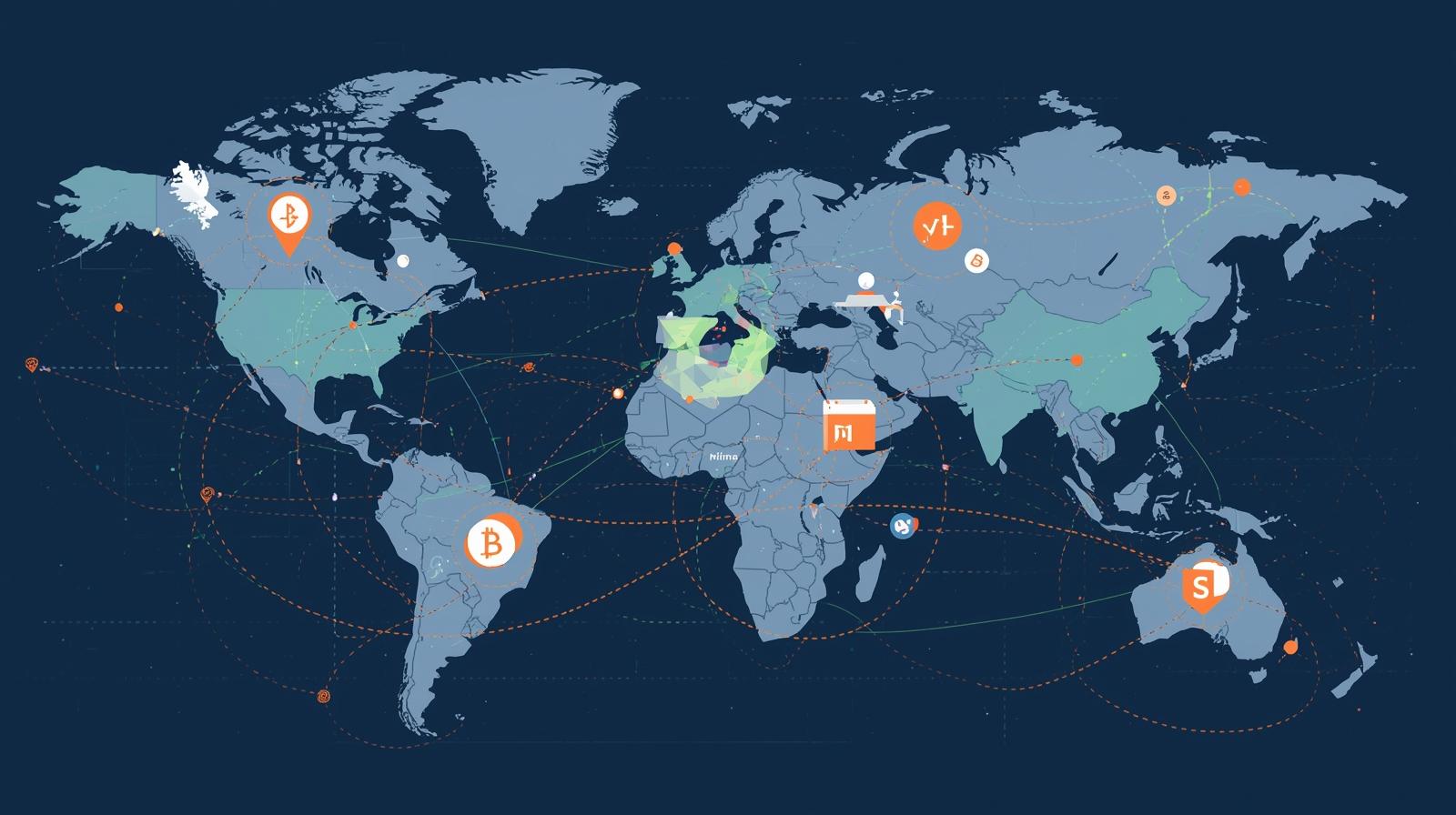
Global supply chains are under unprecedented regulatory pressure. According to the World Economic Forum, over 70% of global trade is now affected by some form of traceability regulation. At the same time, PwC reports that compliance failures cost organizations an average of $14.8 million annually. These numbers explain why traditional tracking systems are no longer enough.
As supply chain compliance requirements grow stricter, regulators demand more than static records. They expect transparency, accountability, and real-time proof. Consequently, companies are turning toward tokenization to meet modern traceability regulations. Blockchain compliance frameworks, in particular, are emerging as a practical solution to satisfy regulators while improving operational resilience.
Governments are no longer relying on trust alone. Instead, they require verifiable data across every supply chain node.
Several factors are driving this shift:
As a result, supply chain compliance has become a board-level priority. Regulators now expect companies to prove where products came from, how they were handled, and who touched them along the way.
Traceability regulations are expanding rapidly across industries and regions.
According to Deloitte, 65% of manufacturers say traceability regulations are the top driver of digital investment. These laws require granular, item-level visibility that legacy systems struggle to provide.
Traditional supply chain systems rely on siloed databases and manual reconciliation. While they support basic reporting, they often fail under regulatory scrutiny.
Common challenges include:
These gaps increase compliance risks. In contrast, tokenized systems create a shared source of truth, helping companies meet traceability regulations more efficiently.
Tokenization assigns a digital token to a physical product, batch, or shipment. This token evolves as the product moves through the supply chain.
Unlike simple identifiers, tokens can store:
This dynamic structure strengthens supply chain compliance by linking physical goods to verifiable digital records.
Blockchain compliance plays a critical role in tokenized supply chains. Blockchain technology ensures data integrity, immutability, and transparency—qualities regulators increasingly demand.
According to IBM, blockchain-enabled supply chains reduce compliance reporting time by up to 40%. Moreover, shared ledgers reduce disputes between partners and simplify audits.
Key benefits of blockchain compliance include:
As regulations tighten, blockchain compliance shifts from optional innovation to regulatory necessity.
Tokenized supply chains directly address regulatory challenges.
Tokens provide regulators with a complete product history, eliminating data gaps.
Auditors can access verified data instantly, reducing preparation time and costs.
Tokenized records standardize compliance across regions, easing international trade.
These advantages explain why tokenization is becoming central to supply chain compliance strategies.
Some sectors face regulatory pressure earlier than others.
Strict traceability regulations demand unit-level tracking and verification.
FSMA and EU food laws require farm-to-fork visibility.
Conflict minerals and ESG rules push deeper transparency.
McKinsey estimates that early adopters of tokenized compliance systems see a 15–20% reduction in regulatory risk exposure.
Environmental and social regulations increasingly overlap with supply chain compliance. Regulators now expect proof of ethical sourcing and sustainability claims.
Tokenization enables:
This alignment makes tokenized systems essential for meeting modern traceability regulations and ESG mandates simultaneously.
Despite its benefits, tokenization adoption is not without hurdles.
However, as regulatory penalties rise, these challenges become easier to justify. According to Accenture, 83% of executives believe compliance-driven digital transformation will accelerate over the next three years.
Regulation is no longer just a constraint—it’s a catalyst. Supply chain compliance requirements are forcing organizations to rethink visibility, trust, and data ownership. Traceability regulations demand more than serial numbers, while blockchain compliance provides the foundation for scalable transparency.
Tokenization sits at the intersection of these forces. It transforms compliance from a reactive burden into a proactive capability.
Global regulations are reshaping supply chains faster than ever before. As compliance expectations rise, traditional systems struggle to keep up. Tokenization, supported by blockchain compliance, offers a practical path forward.
By embracing tokenized supply chains, organizations can meet traceability regulations, reduce compliance risk, and gain real-time visibility across global operations. In today’s regulatory climate, tokenization isn’t just innovation—it’s survival.