Let’s face it—modern supply chains are complicated. Goods travel across continents, pass through multiple stakeholders, and generate mountains of paperwork. Somewhere along the way, delays happen, data gets lost, disputes arise, and visibility disappears. Sound familiar?
Now here’s the good news: blockchain technology is stepping in to clean up the mess. And it’s not just hype. Blockchain in logistics is rapidly transforming how companies track shipments, manage contracts, and build trust across global networks.
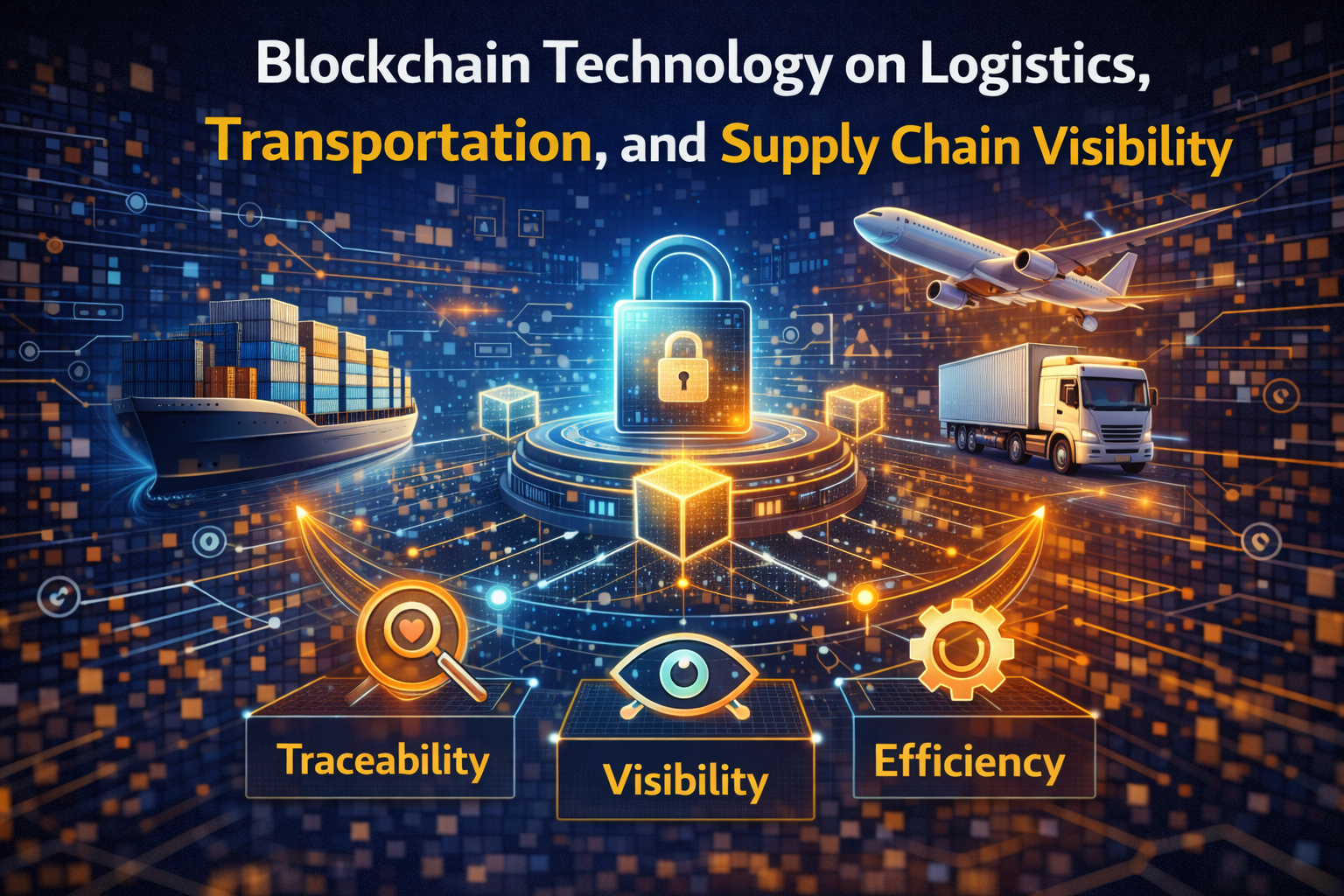
In this article, we’ll break down exactly how blockchain is reshaping logistics, transportation, and supply chain visibility—and how enterprise platforms like Spydra.app are making it all possible.
Before we talk solutions, let’s understand the problem.
Traditional logistics systems are often:
According to the World Economic Forum, inefficiencies in global supply chains cost businesses billions annually. And when visibility is limited, even small disruptions can snowball into major operational crises.
Most supply chains operate in silos. Manufacturers, freight carriers, customs officials, and retailers each maintain their own systems. That means no single version of truth.
Bills of lading, invoices, and certificates—many are still processed manually. It’s slow, expensive, and error-prone.
In industries like pharmaceuticals and luxury goods, counterfeit products are a massive concern. Without traceability, proving authenticity becomes difficult.
When shipment data isn’t shared in real time, disputes over delivery times, damaged goods, or contract terms are common—and costly.
So, what’s the fix?
Here’s where blockchain enters the picture.
At its core, blockchain is a decentralized, tamper-proof ledger. Every transaction recorded is transparent, secure, and immutable. That means once data is added, it can’t be altered without consensus.
Let’s break down how that impacts logistics.
Blockchain provides a shared ledger accessible to all authorized stakeholders. Instead of relying on disconnected systems, everyone sees the same real-time data.
This dramatically improves supply chain visibility by:
No more “Where’s the shipment?” emails. It’s all there, in real time.
Smart contracts are self-executing agreements stored on the blockchain. When predefined conditions are met, actions trigger automatically.
For example:
This reduces paperwork, speeds up settlements, and minimizes disputes.
According to IBM Blockchain, smart contracts can reduce processing times by up to 40% in logistics workflows.
Every product movement is recorded in chronological order. That’s huge for industries that require strict compliance.
With blockchain in transportation networks:
Traceability isn’t just a bonus—it’s becoming a regulatory requirement.
Transportation is the backbone of supply chains. And blockchain is modernizing it in surprising ways.
Instead of physical paperwork, blockchain enables digital documentation stored securely and accessible globally. This reduces administrative costs and speeds up international trade.
International shipments often face delays due to customs verification. With blockchain, all documentation is verified and shared in advance, reducing friction at borders.
When blockchain integrates with IoT devices:
The result? Real-time, tamper-proof tracking.
So instead of trusting reports, companies trust data.
Now, implementing blockchain isn’t as simple as flipping a switch. Enterprises need scalable, secure, and interoperable solutions. That’s where Spydra blockchain platform comes into play.
Spydra.app offers enterprise-grade blockchain infrastructure designed for real-world business use cases.
Here’s how it supports logistics transformation:
Supply chains involve multiple stakeholders. Spydra enables private and consortium blockchain networks where participants collaborate securely.
Assets, shipments, and contracts can be tokenized for better tracking and ownership management. Tokenization simplifies asset transfers while maintaining compliance.
Enterprise systems rarely operate in isolation. Spydra ensures integration with existing ERP, IoT, and supply chain management systems.
With robust encryption and decentralized architecture, data remains secure while accessible to authorized participants.
In short, Spydra bridges the gap between blockchain potential and enterprise reality.
Still wondering if it’s worth the investment? Let’s talk numbers and outcomes.
Smart contracts eliminate manual verification steps.
When all parties share the same verified data, trust becomes built-in.
Blockchain creates an immutable audit trail, simplifying regulatory reporting.
Real-time data leads to smarter forecasting and planning.
According to Gartner, blockchain will generate significant business value across supply chains in the coming years as adoption increases.
Imagine a pharmaceutical company shipping temperature-sensitive vaccines.
With blockchain:
Every stakeholder—from manufacturer to hospital—can verify the product’s integrity.
That’s not futuristic. It’s happening now.
Blockchain’s role in supply chains is just getting started.
AI analyzes blockchain data for predictive insights, identifying risks before disruptions occur.
Automated, real-time updates make supply chains more intelligent and responsive.
Companies can verify carbon footprints and ethical sourcing through transparent blockchain records.
Consumers are demanding accountability—and blockchain delivers it.
Blockchain creates a shared, tamper-proof ledger accessible to authorized stakeholders, ensuring real-time tracking and transparency.
Yes. Its decentralized and encrypted nature makes data highly secure and resistant to tampering.
Absolutely. It minimizes paperwork, reduces intermediaries, and automates contract execution.
Spydra provides scalable, interoperable, and secure blockchain infrastructure tailored for enterprise needs.
Yes, especially through consortium networks that lower infrastructure barriers.
So, where does this leave us?
Logistics and transportation are evolving fast. Customers demand transparency. Regulators demand compliance. Businesses demand efficiency. Traditional systems simply can’t keep up.
That’s why blockchain in logistics isn’t just a trend—it’s a strategic necessity.
From real-time supply chain visibility to automated smart contracts and secure enterprise networks, blockchain is redefining how goods move across the globe. And with platforms like Spydra.app, businesses don’t have to navigate this transformation alone.
The future of logistics is transparent, automated, and data-driven. The only question is—are you ready to be part of it?